A carbon monoxide detector stops sensing gas when its internal gel dries out. This expiration occurs silently within five to ten years while the unit appears functional. The plastic casing looks unchanged. The horn still beeps during battery tests. Yet the chemical substrate inside no longer reacts to toxic combustion gas.
Carbon monoxide (CO) is an invisible, odorless byproduct of incomplete fuel combustion. According to the Centers for Disease Control and Prevention (CDC), accidental carbon monoxide poisoning causes hundreds of non-fire fatalities in the United States every year. Without a working electrochemical sensor, occupants receive zero warning before dangerous concentrations build up inside living spaces.
Understanding how these safety alarms degrade prevents accidental exposure to combustion gases. You cannot judge sensor condition by appearance or sound. The internal components operate on a strict chemical timeline established by international safety certifications.
Electrochemical Sensors Degrade Steadily Over Time
The electrochemical sensing cell inside a residential detector deteriorates continuously through ambient chemical evaporation and electrode oxidation. Inside the sensor housing, platinum electrodes sit inside an acid or gel electrolyte. When carbon monoxide molecules enter the chamber, they react chemically with the platinum catalyst to produce a tiny electrical current. The internal circuit measures that current to calculate gas concentration.
Over years of normal household exposure, the liquid electrolyte slowly dries out. Ambient moisture and background room air gradually degrade the reaction surfaces. According to the Consumer Product Safety Commission (CPSC), this chemical breakdown renders the sensor unreliable after five to ten years of continuous use.
Temperature swings accelerate the drying process. High summer humidity speeds up electrolyte consumption. The chemistry simply expires. Once the catalytic gel loses its reactivity, gas passes through the chamber without triggering an alarm.
The Test Button on a Carbon Monoxide Detector Only Verifies Circuits
Pressing the test button on a detector checks the horn circuit and battery voltage without exposing the sensor to gas. Homeowners frequently confuse an audible horn test with a real sensor test. When you press that plastic button, an internal circuit bypasses the sensor cell and sends electricity straight to the sounder. It tells you that the battery has voltage. It confirms that the microprocessor boots up. It proves the horn can make noise.
Sound alone proves nothing about sensor viability. A detector with an inactive, dried-out sensing cell will sound its horn normally during a button test. True field verification requires calibrated test gas sprayed directly into the sensing port, a protocol standard in industrial facilities but rarely conducted in homes.
For residential households, the National Fire Protection Association (NFPA) recommends replacing units at the manufacturer expiration interval rather than trusting circuit tests. Check the manufacturing stamp on the back of the plastic baseplate. If the stamped date is more than seven years old, replace the entire unit.
Underwriters Laboratories Sets Strict Alarm Thresholds
Residential alarms certified under Underwriters Laboratories (UL) 2034 intentionally ignore low carbon monoxide concentrations to prevent nuisance dispatches for municipal fire departments. The standard balances immediate life safety against emergency dispatch capacity. Underwriters Laboratories (UL) 2034 rules dictate that an alarm must not sound at 30 parts per million (ppm) for up to 30 days.
At 70 ppm, the device must sound an alarm within 60 to 240 minutes. At 150 ppm, the required response window narrows to 10 to 50 minutes. At 400 ppm, the alarm must trigger within 4 to 15 minutes. These thresholds protect healthy adults from severe carboxyhemoglobin saturation.
However, World Health Organization (WHO) guidelines indicate that prolonged exposure to lower levels between 10 and 30 ppm can cause headaches, fatigue, and nausea in vulnerable individuals. The Occupational Safety and Health Administration (OSHA) caps workplace exposure at 50 ppm averaged across an eight-hour shift. If you want protection against chronic low-level seepage from an aging appliance, a standard retail unit will remain silent.
| Concentration | Response Window | Standard Purpose |
|---|---|---|
| 30 ppm | No alarm for 30 days | Prevents nuisance emergency calls from temporary spikes |
| 70 ppm | 60 to 240 minutes | Protects healthy adults against acute carboxyhemoglobin accumulation |
| 150 ppm | 10 to 50 minutes | Triggers evacuation before moderate symptoms impair judgment |
| 400 ppm | 4 to 15 minutes | Prevents physical incapacitation and loss of consciousness |
Proper Placement Requires Strategic Room Heights
The National Fire Protection Association (NFPA) recommends installing carbon monoxide alarms on every habitable level and outside all sleeping zones. A persistent myth suggests carbon monoxide sinks to the floor like propane. In reality, carbon monoxide has a molar mass of 28 grams per mole, which sits marginally lighter than ambient air at 29 grams per mole according to the Environmental Protection Agency (EPA).
Thermal air currents cause the gas to mix evenly throughout indoor rooms. Wall placement at eye level or ceiling mounting works equally well. Eye level placement simplifies reading digital displays and reaching the silence button.
Avoid installing units within five feet of cooking appliances, which produce trace gases during normal startup. Keep detectors away from bathrooms where shower steam can foul the electrolyte. Avoid turbulent supply vents connected to your furnace filter system that could blow gas plumes away from the sensor.
Carbon monoxide does not sink to the floor. Because its molecular weight is nearly identical to surrounding air, indoor convection currents distribute it uniformly across room heights. Mount units at eye level for convenient monitoring or on ceilings near bedrooms.
Household Airborne Chemicals Foul the Platinum Catalyst
Common household chemical vapors and volatile organic compounds contaminate the sensitive platinum electrodes inside a detector well before the design lifespan ends. Electrochemical cells react to airborne contaminants other than combustion products. Silicones from furniture polish, solvents from paints, aerosol propellants, and floor finishes deposit non-reactive films on the platinum catalyst. Once coated, the catalyst loses its ability to oxidize carbon monoxide.
Cleaning products containing high concentrations of ammonia or bleach also corrode internal traces. In attached garages or utility rooms, gasoline fumes cause rapid sensor poisoning. If you store paint thinners or run hobby equipment nearby, your detector can fail early.
You can evaluate broader ambient vapor levels through our review of air quality monitors or by exploring general air filtration principles. When painting or varnishing floors, seal the detector in a clean plastic bag until vapors dissipate completely.
Low-Level Monitors Protect Sensitive Occupants
Dedicated low-level monitors display real-time carbon monoxide levels starting at 5 to 10 parts per million to warn individuals with cardiovascular or respiratory vulnerabilities. Standard safety alarms are designed solely to prevent fatal poisoning. They allow low concentrations to persist indefinitely without sounding a horn.
For infants, elderly occupants, and individuals with heart disease, chronic low-level carbon monoxide exposure poses documented health risks. According to the Centers for Disease Control and Prevention (CDC), carbon monoxide binds to blood hemoglobin with an affinity over 200 times greater than oxygen.
According to Consumer Product Safety Commission (CPSC) technical reports, low-level monitors use specialized electrochemical sensors that display exact digital readouts starting at 5 ppm and trigger audible alerts at 15 ppm. These units do not comply with the UL 2034 standard because their sensitivity triggers warnings at concentrations that municipal emergency services consider sub-critical. They supplement standard alarms rather than replacing required code-compliant units. If you suspect ventilation flaws in a weatherized building envelope, pairing low-level monitoring with a carbon dioxide monitor helps isolate air exchange deficits.
Fuel Burning Equipment Requires Routine Flue Inspections
Regular professional inspections of combustion appliances eliminate the combustion failures that cause carbon monoxide alarms to sound. Detectors do not fix hazards. They only signal that a mechanical system has failed. According to the Consumer Product Safety Commission (CPSC), home heating systems and water heaters cause the vast majority of non-fire carbon monoxide poisonings.
A cracked furnace heat exchanger allows toxic exhaust gases to mix directly with the warm air delivered to bedrooms. Backdrafting occurs when powerful exhaust fans depressurize living areas, pulling combustion gases backward down water heater flues. Blocked masonry chimneys and corroded vent pipes create silent migration pathways into attics and wall cavities.
Annual burner tuning ensures complete fuel combustion and safe chimney draw. Similar preventative diagnostics apply when checking building basements or testing for soil gas hazards through radon mitigation pathways or general environmental testing. Never treat a sounding alarm as an equipment glitch until a licensed heating technician clears every combustion appliance.
Evacuate Immediately When the Alarm Sounds Continuously
Evacuating all occupants and pets into fresh outdoor air immediately is the only safe initial response to a persistent carbon monoxide alarm. Never spend time opening windows to ventilate the house before leaving. Opening windows lowers the indoor gas concentration temporarily, which delays identification of the leak and makes it difficult for emergency responders to locate the faulty appliance. Once outside in clean air, call 911 from a mobile phone.
Check for common symptoms of carbon monoxide poisoning among household members. Symptoms include throbbing headaches, dizziness, nausea, unexplained weakness, and confusion. Anyone exhibiting these physical signs requires emergency medical evaluation. Do not re-enter the home until emergency personnel inspect the property with calibrated instruments and declare the atmosphere safe.
What would change this advice is an all-electric home with no attached garage and no fuel-burning appliances, where the risk of carbon monoxide generation is virtually zero. For any home burning natural gas, oil, propane, or wood, inspect the manufacturing date on your carbon monoxide detector right now to verify it remains within its certified operating window.
What to Buy for This
Each entry below is a specification rather than a single model, because stock and pricing on this equipment change constantly. The products shown are what currently matches that specification. Match the spec, then buy whatever meets it.
10-year sealed lithium battery carbon monoxide detector with electrochemical sensor and end-of-life warning chime
Eliminates dead battery chirps and forces full unit replacement once the internal electrochemical sensor reaches its operational limit.


Dual-sensor carbon monoxide and photoelectric smoke alarm with digital display and voice hazard notification
Wakes sleeping occupants faster with spoken warnings naming the specific hazard while tracking real-time gas buildup on a backlit screen.
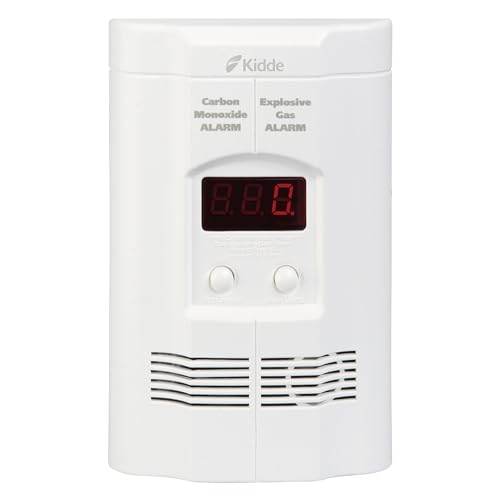

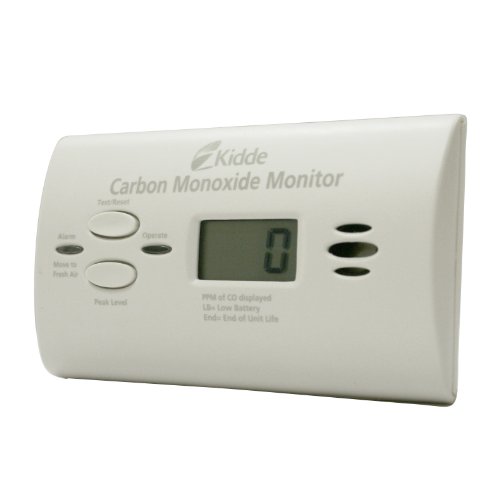
Low-level carbon monoxide monitor with continuous digital readout displaying concentrations down to 5 ppm
Reveals chronic appliance leaks and cracked heat exchangers long before commercial thresholds trigger standard residential alarms.

Prices are not shown here because they change daily and we will not display a stale one. Links open on Amazon, where the current price and availability are live.
Common questions
How long does a carbon monoxide detector last?
Most carbon monoxide alarms last between five and ten years depending on the manufacturer and sensor design. The Consumer Product Safety Commission (CPSC) recommends replacing units according to the date printed on the back of the baseplate. The internal electrochemical sensing material degrades continuously even if the battery remains fully charged.
Can a carbon monoxide detector detect natural gas leaks?
A standard carbon monoxide alarm cannot detect natural gas or propane leaks. Carbon monoxide is an odorless byproduct of burning fuel, while raw fuel gas consists primarily of methane or propane scented with mercaptan. Detecting raw fuel gas requires a dedicated combustible gas detector.
Where should a carbon monoxide detector be placed in a house?
The National Fire Protection Association (NFPA) recommends installing a detector on every habitable floor and outside each bedroom cluster. Units can be mounted on the wall at eye level or on the ceiling because carbon monoxide mixes evenly with ambient air currents. Keep detectors at least five feet away from cooking appliances.
Why is my carbon monoxide detector chirping every 30 seconds?
A single chirp every 30 to 60 seconds indicates either a low battery or an expired sensor. Check the label on the back of the device for an end-of-life signal pattern. If replacing the battery does not stop the chirp on a unit older than seven years, the internal sensor has reached its expiration date.
Does a carbon monoxide detector work during a power outage?
Battery-operated units and hardwired detectors equipped with functional backup batteries operate normally during electrical outages. Outages represent peak risk periods for carbon monoxide accumulation due to the temporary operation of portable generators and indoor fuel heaters. Test the backup battery annually.
Can I test a carbon monoxide detector using smoke from a blown-out match?
Smoke from a match or candle should never be used to test a carbon monoxide detector. Particulate smoke coats the delicate platinum catalyst and can permanently ruin the electrochemical cell. The test button verifies electrical continuity, while true sensor calibration checks require canned test gas with known concentrations.