Poor car cabin air quality comes from exhaust fumes, trapped moisture, or chemical off-gassing. Fixing the problem requires changing filtration media, clearing blocked drains, and managing ventilation flaps. A passenger vehicle contains less than one hundred cubic feet of breathing room. Any contaminant entering this compact space concentrates quickly. Managing car cabin air quality means treating the automobile like an unvented micro-environment rather than an open road.
Drivers often mask musty air conditioning smells with chemical air fresheners. That practice adds synthetic solvents to an already confined space. A dirty cabin filter chokes blower motors and circulates pollen. A clogged evaporator case turns into a bacterial breeding ground whenever the cooling system shuts down. These are physical maintenance failures with physical fixes.
Similar to living in an RV or managing fumes in an attached garage, enclosed automotive cabins demand active airflow management. You do not need expensive dealer cleanings to solve these problems. You need to identify whether the issue is particulate matter, biological growth, or vapor phase chemicals within your spaces.
Passenger Cabins Concentrate Carbon Dioxide in Minutes
Passenger vehicles enclose a small volume of air. A typical sedan cabin contains between seventy and one hundred cubic feet of interior space. For comparison, a modest eight-by-ten-foot bedroom holds more than six hundred cubic feet. Cabins are tight. When two or three people breathe inside an enclosed automobile, carbon dioxide (CO2) accumulates quickly.
Researchers at Lawrence Berkeley National Laboratory found that CO2 concentrations can climb above 2,500 parts per million in twenty minutes when two adults ride with recirculation mode turned on. Levels can rise past 3,000 parts per million during longer highway trips. High carbon dioxide causes drowsiness, slower reaction times, and headaches. Drivers often blame fatigue on highway hypnosis when stale air is the real culprit. Monitoring passenger air with a portable carbon dioxide monitor reveals how quickly these peaks occur.
Recirculation Mode Traps Carbon Dioxide While Fresh Air Lets in Exhaust
The heating, ventilation, and air conditioning (HVAC) system uses an intake flap to select where cabin air originates. Fresh air mode pulls outside air through grilles located at the base of the windshield. Recirculation mode closes this exterior door and cycles existing cabin air through the blower assembly. Recirculation prevents tunnel fumes, industrial odors, and diesel exhaust from entering the car. It also speeds up air conditioning cooling on hot summer afternoons.
Leaving recirculation engaged indefinitely creates problems. Moisture exhaled by passengers condenses on window glass. Carbon dioxide builds up. Switch to fresh air mode once you clear traffic jams or dusty road sections. The fresh air supply introduces oxygen and flushes out trapped exhaled moisture.
Standard Particulate Filters Miss Exhaust Gases and Odors
Most modern vehicles use a cabin air filter positioned directly behind the glove box or beneath the windshield cowl. These filters catch dust, plant pollen, mold spores, and road grime before air reaches the dashboard vents. Standard original filters rely on pleated paper or non-woven synthetic fibers. These fibers capture solid particles through mechanical impaction.
Pores let gases pass. According to the Environmental Protection Agency (EPA), mechanical particle filters cannot capture gaseous pollutants or volatile organic compounds (VOCs) without chemical sorbents. Harmful combustion gases like nitrogen dioxide, benzene, and sulfur dioxide slip past standard media unimpeded.
Upgrading to an activated carbon cabin air filter adds a bed of processed charcoal granules. Carbon granules contain millions of microscopic pores that trap chemical vapors through molecular adsorption. This adsorption layer strips fuel odors, asphalt fumes, and ozone out of incoming highway air. Carbon beds saturate over time. Replace carbon filters annually to maintain effective gas removal. The physical mechanics mirror what operates inside a room-sized air purifier.
Condensation on the Evaporator Core Breeds Musty Mildew
Turning on the vehicle air conditioning pulls warm cabin air across an aluminum evaporator core hidden inside the dashboard. The refrigerant circulating through the evaporator chills the aluminum fins below the dew point of the passing air. Water vapor condenses on the cold metal surfaces, stripping moisture out of the passenger compartment. Water must drain.
A small rubber tube carries condensed liquid through the vehicle floor pan and onto the ground outside. Road dirt, insect remains, and organic debris can plug this narrow drain tube. When water backs up, the dark evaporator case stays permanently damp. Mold spores and bacteria colonize the wet aluminum fins. This bacterial mat produces a sour, locker-room stench every time the blower turns on.
The Environmental Protection Agency (EPA) notes that controlling moisture is the single prerequisite for preventing indoor fungal growth. Do not spray standard household disinfectant into dashboard vents. Liquid chemicals can corrode sensitive electrical sensors and wire harnesses. Use a specialized expanding foam cleaner injected directly through the evaporator drain line. Surface products like mold removal spray belong on architectural framing rather than enclosed automotive electronics.
Sunlight Releases Volatile Chemicals from Interior Plastics
The characteristic scent associated with a new vehicle originates from chemical off-gassing. Automotive interiors contain molded polyurethane foam, synthetic vinyl, plasticizers, fire retardants, and industrial glues. These components release volatile organic compounds (VOCs) into the air through evaporation. Heat accelerates the reaction.
The California Air Resources Board (CARB) has documented that solar radiation can heat closed vehicle cabins past 130 degrees Fahrenheit. This intense heat dramatically increases the evaporation rate of chemicals like formaldehyde and benzene. High concentrations can trigger eye irritation, sinus pressure, and mild nausea during long commutes. Drivers can track these chemical spikes using a portable VOC meter.
The most effective remedy requires no equipment. Roll down the windows for the first two minutes of your drive. Run the blower on high with fresh air intake selected. This purge cycle sweeps accumulated vapor clouds out of the cabin before you inhale them.
Specific Cabin Smells Point to Distinct Mechanical Failures
Different chemical and biological problems produce distinct scent profiles inside an automobile. Do not cover unusual smells with perfume diffusers or clip-on vent fresheners. Scented oils merely add synthetic organic compounds into stagnant air. Identify the underlying mechanical fault instead. Coolant leaks, burning oils, and blocked water pathways each display clear physical indicators.
| Scent Profile | Primary Source | Required Mechanical Action |
|---|---|---|
| Sour gym locker | Fungal growth on the air conditioning evaporator core | Flush the evaporator housing with antibacterial foam cleaner and clear the drain tube. |
| Sweet maple syrup | Toxic ethylene glycol leaking from the heater core assembly | Pressure test the engine cooling loop and replace the leaking internal heater core. |
| Rotten eggs or sulfur | Hydrogen sulfide from an overloaded catalytic converter or failing battery | Inspect the vehicle exhaust system, emissions components, and electrical charging system. |
| Stale damp carpet | Rainwater pooling past windshield cowls, door membranes, or sunroof drains | Snake blocked drain tubes and extract pooled moisture from under carpet padding. |
| Raw unburned gasoline | Leaking fuel injector O-ring, rusted fuel line, or vapor canister fault | Park the car outdoors and inspect fuel connections under the hood and rear floor. |
A Mechanical Routine Restores Car Cabin Air Quality
Resolving persistent cabin odor requires systematic physical maintenance. Deodorizing sprays leave dirt behind. Follow a five-step cleaning sequence to restore the ventilation loop.
- Clear leaves, pine needles, and decayed vegetation from the plastic cowl grilles at the base of the windshield exterior.
- Locate the air conditioning drain tube beneath the vehicle chassis and clear any dirt plugs with a flexible plastic probe.
- Inject an expanding coil-cleaning foam through the drain tube into the evaporator box to dissolve bacterial slime.
- Remove the old cabin air filter, vacuum loose grit from the empty filter housing, and install a fresh activated carbon filter.
- Start the engine, set the ventilation to maximum heat and fresh air mode, and run the blower for fifteen minutes with windows cracked.
Small 12-Volt Ionizers Cannot Replace Airflow and Filtration
Many aftermarket gadgets claim to clean passenger air using cigarette lighter plugs. Most of these devices rely on needlepoint ionization rather than physical filtration. Ionizers charge airborne particles so they stick to interior seats, dashboard trim, and passenger clothing. They do not remove dirt from the vehicle.
Worse, uncertified ionizers frequently generate ozone as an operational byproduct. The California Air Resources Board (CARB) bans indoor air cleaners that produce ozone concentrations exceeding 0.050 parts per million because ozone damages lung tissue. Meaningful particle reduction requires forced mechanical airflow.
The Association of Home Appliance Manufacturers (AHAM) establishes that air cleaning depends on clean air delivery rate (CADR), measured in cubic feet per minute. A tiny one-watt plug-in device moves almost no air. If you desire supplemental filtration, select a motorized purifier with a fan and a sealed filter element. Treating an automobile requires the same physical airflow principles you would apply in an enclosed home office or a residential garage. Inspect your cabin filter housing and clear the cowl intake vents to start improving your car cabin air quality.
Never run an ozone generator inside a vehicle while passengers or pets are inside. The Centers for Disease Control and Prevention (CDC) warns that ozone causes airway constriction, chest tightness, and coughing. Dealerships sometimes use high-output commercial ozone machines to eliminate tobacco smoke odor, but the cabin must be completely aired out before anyone enters the vehicle.
What to Buy for This
Each entry below is a specification rather than a single model, because stock and pricing on this equipment change constantly. The products shown are what currently matches that specification. Match the spec, then buy whatever meets it.
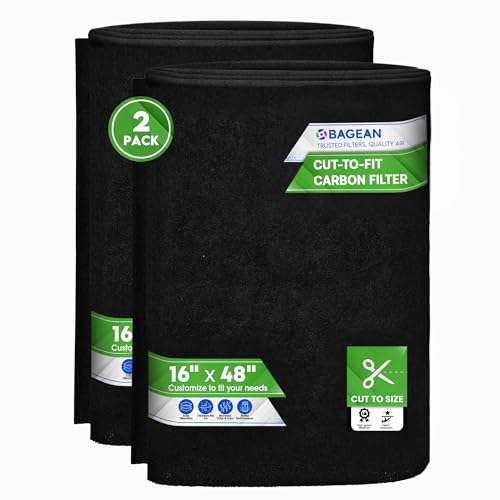
High-efficiency particulate air filter with integrated activated carbon granules sized for your vehicle cabin
Traps tire dust, brake dust, and soot while the dense carbon layer adsorbs nitrogen dioxide and sulfur exhaust odors.

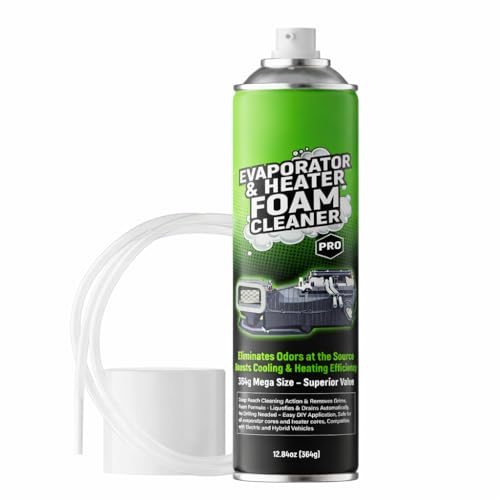
Aerosol foaming evaporator cleaner with a long application hose and drain tube adapter
Expands between tight aluminum cooling fins to dissolve organic slime, mold mats, and trapped road silt before draining out the vehicle floor.

Compact 12-volt motorized air purifier featuring a sealed true HEPA filter and separate activated charcoal bed
Provides continuous mechanical particulate removal without generating ozone or relying on passive electrostatic collection plates.


Prices are not shown here because they change daily and we will not display a stale one. Links open on Amazon, where the current price and availability are live.
Common questions
How often should I replace my vehicle cabin air filter?
Most vehicle manufacturers recommend replacing the cabin air filter every 12,000 to 15,000 miles, or at least once per calendar year. If you commute in heavy urban traffic or live in an area prone to seasonal wildfire smoke, replace it every six months. A visibly gray filter or a whistling blower motor indicates that the pleats are clogged with dust.
Why does my car heater or air conditioner smell like vinegar?
A vinegar scent typically stems from acetic acid produced by bacterial colonies and mold growing on a damp air conditioning evaporator core. Moisture condenses on the cold metal fins during operation and remains trapped if the drain line is restricted. Flushing the evaporator case with an expanding antimicrobial foam neutralizes the colony and eliminates the odor.
Does driving with windows open provide better air quality than using the air conditioner?
Driving with windows open reduces carbon dioxide rapidly, but it exposes passengers to high concentrations of roadway particulate matter and diesel soot. Research from the California Air Resources Board indicates that operating the vehicle ventilation system on fresh air mode with a clean cabin filter provides the best balance of ventilation and particle removal. Open your windows on rural roads and keep them closed in stop-and-go highway traffic.
Can a bad cabin air filter affect vehicle defrosting and cooling performance?
A clogged cabin air filter severely restricts airflow across both the heater core and the air conditioning evaporator. Reduced airflow prevents the blower motor from circulating warm or dry air against the windshield, which slows down windshield defogging. In extreme cases, restricted airflow causes the air conditioning evaporator to freeze into a solid block of ice.
What is the most effective first step to improve car cabin air quality?
Inspect the cabin air filter behind your glove box and replace it with an activated carbon unit. Clear away wet leaves and debris blocking the exterior cowl grilles at the base of the windshield to ensure clean intake air. Run the blower on fresh air mode to purge residual contaminants from the ductwork.