An air purifier for pets requires two distinct filters to handle dander and smell. Dander is a solid particle. Odour is a gas. A mechanical filter that collects floating skin flakes will do nothing to remove the stench of a litter box or damp dog fur. You need distinct media working together to solve both problems in the same room.
Many buyers pick compact machines that market pet features without checking the interior specifications. These budget appliances usually contain a dense particle screen wrapped around an ounce of carbon dust. That thin black mesh saturates in days. Once the carbon fills its bonding sites, pet smells flow straight back into your living space.
Understanding which filter targets which allergen keeps you from wasting money on equipment that leaves you sneezing. Dander demands high airflow through certified particle media. Odour demands weight in porous carbon rock. Before purchasing any device, review our guide to choosing an air purifier that clears the room to avoid undersized appliances.
Why One Filter Cannot Catch Both Dander and Odours
Animal dander consists of microscopic flakes of dead skin shed by cats, dogs, birds, and rodents. These flecks float on ambient air currents for hours. The proteins that trigger allergic reactions, such as Fel d 1 from feline saliva and Can f 1 from canine skin, hitch a ride on these airborne particles. Because these proteins are physical solids, they require a physical sieve to pull them out of circulation.
Odours behave in a completely different manner. Urine, musk, and wet fur release volatile organic compounds (VOCs) that travel through the air as gas molecules. A dense fiber matrix has zero effect on gases. The tiny molecules pass through fiber gaps like water through a chain link fence. To trap a gas, you must pull it out of the air using molecular adsorption, which binds the vapor to a porous solid.
Proteins bind tightly to shed epidermal cells. When a pet scratches, shakes, or walks through a room, millions of these microscopic particles disperse into the room air. Once airborne, they remain buoyant because their small physical mass resists rapid gravitational settling. Capturing them requires constant room air movement through a tight physical filter matrix.
What True HEPA Filtration Traps and What It Misses
High-Efficiency Particulate Air (HEPA) filters capture microscopic dander before it settles into your furniture. The United States Department of Energy specifies that a true HEPA filter must capture at least 99.97 percent of particles measuring 0.3 microns in diameter. Cat dander particles range from 1 to 20 microns according to the American Academy of Allergy, Asthma, and Immunology. A certified filter easily stops those particles on its first pass.
The challenge lies in getting the dander to the machine. Microscopic dander drops out of the air over several hours, settling into rugs, drapes, and couch cushions. Once dander lands on a surface, no portable air cleaner can pull it off the floor. You can learn more about these mechanical boundaries in our guide on what a HEPA rating guarantees. You must keep the air circulating continuously to capture dander before it hits the rug.
If you suffer from seasonal allergies alongside pet dander, particulate filters provide broad relief. You can read our detailed guide on air purifiers for allergies and pollen to understand how different particle sizes behave in residential airflow. Keep your purifier running on a medium fan speed constantly rather than cycling it on and off.
According to the American Academy of Allergy, Asthma, and Immunology, cat dander particles remain suspended in undisturbed room air for four to eight hours before settling onto flooring or furniture.
Why Carbon Pellets Matter More Than Thin Foam Sheets
Activated carbon removes animal smells through adsorption, trapping gas molecules inside millions of microscopic pores. The surface area of the carbon provides the physical sites where gaseous molecules stick. When those pores fill up, the filter stops working. It cannot collect another molecule.
Most commercial units sold for pet homes include an inexpensive flat sheet coated in carbon dust. That sheet contains mere ounces of carbon. In a home with two dogs or a persistent litter box, an ounce of carbon saturates within weeks. When the media fills, the machine blows the smelly air back across the room without stripping a single volatile compound.
Look for heavy carbon beds packed with granular pellets. A functional odour filter should contain several pounds of activated carbon rock. Heavy beds provide the contact time and pore volume necessary to strip stubborn pet musks. For broader environmental triggers, compare how carbon handles pet smells versus irritants in our review of air purifiers for smoke and volatile compounds.
Check the replacement filter specifications before buying an appliance. If the manufacturer does not list the actual weight of the carbon insert, the filter likely contains only a dusted fiber screen. True gas phase filtration requires visible pellets that rattle when you gently shake the filter frame.
How to Size an Air Purifier for Pets by Clean Air Delivery Rate
Clean Air Delivery Rate (CADR) measures how quickly an air cleaner filters specific pollutants out of a room. The Association of Home Appliance Manufacturers (AHAM) certifies these ratings across three pollutant categories: tobacco smoke, dust, and pollen. For pet dander, use the smoke or dust CADR rating because those particle sizes match animal allergens closely.
AHAM recommends that an air cleaner's smoke CADR equal at least two-thirds of the room's total floor area in square feet. For example, a 300-square-foot living room requires a machine with a smoke CADR of at least 200 cubic feet per minute. When sizing an air purifier for pets, you should exceed that baseline recommendation. Pets continually produce fresh dander and stir up fallen particles as they walk across carpets.
Aim for four to six air changes per hour in rooms where pets sleep or spend significant daytime hours. Higher exchange rates keep allergen concentrations low even when animals remain in the room. You can review exact room calculations in our breakdown of how to match an air purifier to room size by CADR.
Pay close attention to fan speed ratings during your selection. Purifiers only deliver their certified CADR performance on their highest fan setting. If you run the appliance on a low or quiet mode to reduce motor noise, your effective clean air delivery drops significantly. Choose a machine rated for a larger space so you can run it on medium speed while maintaining sufficient airflow.
| Room Floor Area | Standard AHAM Smoke CADR | Recommended Pet CADR | Air Changes per Hour |
|---|---|---|---|
| 150 square feet | 100 CFM | 130 CFM | 5 exchanges |
| 250 square feet | 167 CFM | 210 CFM | 5 exchanges |
| 350 square feet | 233 CFM | 290 CFM | 5 exchanges |
| 500 square feet | 333 CFM | 400 CFM | 5 exchanges |
Where Washable Prefilters Save Your Main Filter From Fur
Coarse pet hair will clog expensive HEPA pleats within weeks if left unchecked. A prefilter forms the first line of defense, intercepting floating fur and large hair clumps before they reach the delicate interior media. This mesh screen preserves airflow through the machine. Without a prefilter, shedding coats quickly choke the intake vents.
Clean the mesh screen monthly. Most prefilters slide out easily and tolerate rinsing under a sink faucet or gentle vacuuming with a brush attachment. Keeping this outer layer free of fur prevents motor strain and extends the lifespan of your main filter. You can see similar maintenance requirements detailed in our overview of air purifiers for household dust.
Do not confuse hair with dander. Hair is visible shedding from the animal's coat. Dander consists of microscopic dried skin flakes that you cannot see without magnification. The prefilter handles the hair, but only the internal HEPA core traps the microscopic dander.
Inspect your prefilter every two weeks during seasonal shedding periods in spring and autumn. When fur blankets the exterior screen, system static pressure rises dramatically. This restricted intake starves the fan of air, forcing the motor to run hotter while cleaning far less room volume. Regular rinsing keeps energy consumption low and airflow stable.
Why Ozone Generators and Ionizers Create New Indoor Hazards
Some air cleaners promise to destroy pet odours using electronic ionization or direct ozone output. Avoid these machines entirely. The Environmental Protection Agency (EPA) warns that ozone is a toxic lung irritant that damages the respiratory tract even at low concentrations. Ozone reacts with lung tissue to produce coughing, chest pain, and shortness of breath.
Pets face even greater danger from ozone exposure than adult humans. Dogs and cats have smaller lung capacities and higher baseline respiration rates, making them particularly vulnerable to oxidative lung damage. Birds are sensitive to airborne toxins and can suffer fatal respiratory distress from trace ozone releases.
Ionizing purifiers can emit secondary ozone as an unwanted electrical byproduct. They charge floating particles so that they stick to your walls and flooring instead of trapping them inside a sealed filter basket. Stick to mechanical filtration methods that physically capture debris without altering room chemistry.
Beware of marketing terms like activated oxygen, negative ions, or pure air technology. These phrases almost always indicate electronic ionizing mechanisms or controlled ozone generation. Safe mechanical purifiers rely solely on a motor, an intake fan, a physical HEPA filter, and a carbon block. They add no reactive chemical oxidizers to the indoor air your pets breathe.
When Air Cleaners Cannot Solve Your Pet Air Problem
An air cleaner cannot fix poor cleaning hygiene or eliminate active biological messes. If urine has seeped into carpet backing or wood floorboards, an air purifier will not stop the smell. The source continues to generate gas faster than the carbon filter can adsorb it. You must neutralize deep stains with an enzymatic cleaner to break down the uric acid crystals.
Surface cleaning must accompany filtration. Vacuum rugs twice weekly using a vacuum equipped with a sealed HEPA exhaust. Traditional vacuums without sealed filtration blow microscopic dander straight out of their exhaust ports back into the breathing zone. Damp wipe hard surfaces to lift settled allergen reservoirs without kicking them into the air.
Wash your pet bedding frequently in hot water. The Centers for Disease Control and Prevention (CDC) notes that washing fabrics at water temperatures of at least 130 degrees Fahrenheit kills dust mites and denatures allergenic proteins. Regular washing prevents soft dog beds from becoming dense reservoirs of shedding dander and dried saliva.
Groom your pets outdoors whenever weather allows. Regular brushing removes loose fur and dislodges dry skin flakes before they spread across your living room rugs. If outdoor grooming is impossible, brush your animal in a bathroom with an exhaust fan running to evacuate floating dander directly outdoors. Combine frequent vacuuming and source control with a properly sized air purifier for pets to keep your living space clear of animal triggers.
What to Buy for This
Each entry below is a specification rather than a single model, because stock and pricing on this equipment change constantly. The products shown are what currently matches that specification. Match the spec, then buy whatever meets it.
Console true HEPA air purifier with minimum 300 CFM smoke CADR and cleanable mesh prefilter
Delivers five air changes per hour in rooms up to 450 square feet while shielding the main HEPA filter from dog and cat fur.


Sealed true HEPA air cleaner with at least three pounds of granular activated carbon pellets
Provides genuine gas phase adsorption for ammonia and animal musks rather than a short lived carbon dust sheet.
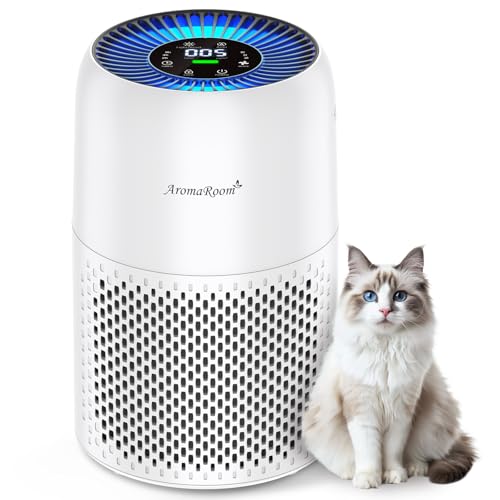

Dual intake true HEPA air purifier rated for 400 CFM with separate carbon canister
Pulls air from two sides to maintain high circulation rates and capture floating dander before it settles onto soft furnishings.
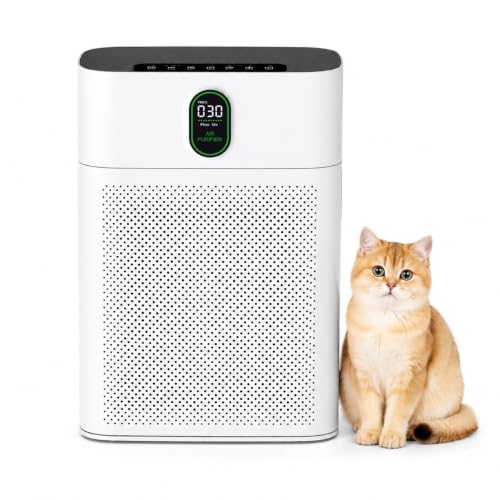

Prices are not shown here because they change daily and we will not display a stale one. Links open on Amazon, where the current price and availability are live.
Common questions
Can an air purifier help with dog and cat allergies?
Yes, a true HEPA air purifier captures airborne dander particles that trigger allergic reactions. However, it only removes the particles that remain suspended in the air. You must combine continuous air filtration with frequent vacuuming and laundering of pet beds to eliminate settled allergens from carpets and furniture.
How often should you replace filters in a pet home?
In a household with pets, replace the HEPA filter every six to twelve months depending on the number of animals. Heavy activated carbon beds require replacement every nine to twelve months, while thin carbon foam prefilters saturate in two to three months. Inspect your washable prefilter every two weeks to remove shedding fur.
Will an air purifier remove pet urine odor from carpeting?
No, an air purifier cannot eliminate active pet urine smells embedded in carpet fibers or padding. The underlying urine deposits continuously produce ammonia and volatile organic compounds faster than carbon can capture them. You must treat the stain directly with an enzymatic cleaner to break down the uric acid before air filtration can manage lingering room odours.
Where is the best place to set an air purifier for pets?
Place the air purifier in the room where your pet spends the most time, such as a bedroom or living room. Keep the unit at least two feet away from walls and large furniture so the intake vents receive unobstructed airflow. Avoid tucking the purifier into tight corners where air circulation stalls.
Does pet fur ruin a HEPA filter?
Pet fur will not ruin the filter material itself, but it will clog the outer pleats and choke system airflow if your unit lacks a prefilter. When hair covers the pleat faces, the fan cannot pull air through the fine microglass matrix. Always select an air purifier equipped with a washable mesh prefilter to trap loose hair.