Sealing window leaks and running continuous indoor particulate filtration stops wildfire smoke. Fine smoke particles bypass ordinary furnace screens within minutes without mechanical capture. Managing wildfire smoke indoor air quality requires you to treat your living space as a closed system.
Smoke from distant timber fires carries fine combustion debris and toxic gas plumes deep into residential neighborhoods. Outdoor soot enters fast. You cannot rely on passive insulation or shut glass panes alone to hold this plume outside. Outdoor air finds paths through sill gaps, electrical boxes, and unlatched sash frames throughout the day.
Clean air takes work. The Environmental Protection Agency (EPA) warns that smoke particles smaller than 2.5 microns penetrate lung tissue rapidly. You protect your space by halting active infiltration, running certified mechanical filters, and monitoring your room air continuously until the fire front passes.
Why Wildfire Smoke Indoor Air Levels Rise Even With Closed Windows
Outdoor pressure differences force smoke through structural envelope gaps even when your home remains completely shut. The Environmental Protection Agency (EPA) calculates that unsealed structures exchange 50 to 100 percent of their indoor air volume with outdoor air every two hours. Smoke rides this exchange. Warm air escapes through upper ceiling penetrations and recessed light fixtures. Cold, smoky air pulls through foundation joints, electrical outlets, and door thresholds to replace it. Building scientists classify this continuous upward draft as the stack effect.
Exhaust appliances compound inward air leakage by depressurizing the house. Running a kitchen range hood, bathroom fan, or clothes dryer expels indoor air outside. That air must be replaced. Replacement air rushes inward through every unsealed exterior crack, dragging outdoor combustion plumes along with it. Turning off exhaust ventilation during active smoke events preserves neutral indoor pressure. Inspecting perimeter weatherstripping provides an immediate physical barrier against low-level soot entry.
Do not run continuous kitchen exhaust fans or whole-house attic fans during fire events. Exhaust fans pull smoky outdoor air through wall cavities, attic hatches, and exterior electrical boxes.
True HEPA Filters Remove Fine Combustion Particles That Bypass Standard Screens
A certified High-Efficiency Particulate Air (HEPA) filter captures the microscopic solid flecks found in wood smoke. The Department of Energy (DOE) standard requires certified HEPA media to capture at least 99.97 percent of particles measuring 0.3 microns. Wood smoke particles are tiny. Ordinary mesh screens let these microscopic flecks slip through without resistance. A standalone HEPA air purifier forces room air through dense borosilicate fibers that trap soot physically.
Clean air delivery volume dictates how fast a filter removes incoming soot. Airflow rate matters. The Association of Home Appliance Manufacturers (AHAM) rates portable air cleaners using an objective CADR rating for smoke, dust, and pollen. The smoke CADR reflects cubic feet per minute of particle-free air delivered to the room. Select a cleaner that provides a smoke rating matching at least two thirds of your room floor area in square feet. Undersized units cannot outpace outdoor smoke infiltration.
- Select certified true HEPA filters rather than marketing terms like HEPA-type or HEPA-like.
- Check the certified smoke CADR against your room dimensions before setting up the machine.
- Position the filter away from curtains and walls to maintain unobstructed intake airflow.
Setting Central Air Handlers to Recirculate Prevents Outdoor Smoke Intake
Central ventilation systems pull outside soot directly into living areas unless you adjust their damper settings. The Centers for Disease Control and Prevention (CDC) recommends switching central forced-air systems to continuous recirculation mode during fire emergencies. Fresh air dampers draw outdoor pollution straight into your supply ducts. Close that intake. You should also upgrade your central furnace filter slot before wildfire season begins. Standard 1-inch fiberglass filters catch pet dander but let combustion particulates pass unimpeded.
Filter density must balance against system blower capabilities. Resistance climbs with efficiency. American Society of Heating, Refrigerating and Air-Conditioning Engineers (ASHRAE) standard 52.2 states that a MERV 13 filter captures at least 50 percent of particles between 0.3 and 1.0 microns. That efficiency catches fine wood smoke. Thinner residential fan motors, however, may overheat under the static pressure of dense media. Check your furnace cabinet label to confirm your system blower handles MERV 13 air resistance without reducing airflow.
| Filter Grade | 0.3 to 1.0 Micron Capture | 1.0 to 3.0 Micron Capture | Smoke Performance |
|---|---|---|---|
| Fiberglass 1-inch (MERV 1 to 4) | Under 20 percent (ASHRAE 52.2) | Under 20 percent (ASHRAE 52.2) | Fails to capture fine smoke |
| Pleated Residential (MERV 8) | Under 20 percent (ASHRAE 52.2) | Roughly 50 percent (ASHRAE 52.2) | Captures visible ash only |
| High Efficiency (MERV 13) | At least 50 percent (ASHRAE 52.2) | At least 85 percent (ASHRAE 52.2) | Stops fine smoke particles |
| True HEPA Filter | 99.97 percent (DOE standard) | Above 99.97 percent (DOE standard) | Eliminates combustion particulates |
A Dedicated Clean Room Reduces Exposure During Extended Smoke Inversions
Concentrating filtration equipment into a single closed bedroom creates an effective refuge when whole-house air quality collapses. The EPA advises residents in persistent smoke zones to designate one room with minimal exterior doors and windows as a clean sanctuary. Pick a bedroom. Seal its supply vents if your central system lacks high-efficiency filtration. Place a properly sized standalone unit on the floor, following practical air purifier sizing guidelines to calculate sufficient airflow for that specific square footage.
Operating practices inside the room determine how long the air stays clean. Keep interior doors shut. Run the air purifier on its highest speed setting around the clock. Do not vacuum the carpet during a smoke event. Vacuum agitation throws settled soot particles back into your breathing zone. Wipe hard surfaces with a damp cloth instead. Minimizing movement in and out of the sanctuary keeps the clean volume protected from hallway air.
Tightly Sealed Building Gaps Stop Soot Particles From Drifting Indoors
Physical air sealing along windows and doors blocks particulate penetration before indoor filters have to process it. National Institute of Standards and Technology (NIST) building envelope research shows that air leakage through window frames accounts for roughly 25 percent of total residential infiltration. Check your window latches. Locking a double-hung sash compresses the meeting rail gasket against the glass frame. That compression stops drafts.
Seal minor penetrations using temporary materials during active smoke events. Add painter tape along drafty sash seams if smoke smells enter around the casing. Block the bottom of external doors with dense foam sweeps or rolled towels. Department of Energy (DOE) testing confirms that comprehensive weatherstripping reduces unconditioned envelope infiltration by 15 to 30 percent. Avoid indoor combustion sources while the building remains sealed. Do not fry food.
Thick Activated Carbon Beds Absorb Harmful Fire Gases and Vapors
Mechanical particle filters trap ash flakes but let toxic combustion gases pass directly into your lungs. Wildfire plumes carry dangerous Volatile Organic Compounds (VOC), benzene, acrolein, and formaldehyde. The EPA notes that particulate filters do not capture these gaseous chemicals. You need activated carbon. Carbon binds vapor molecules. Porous carbon granules bind organic vapors through molecular adsorption. Thin carbon-dusted foam pads saturate within hours during dense smoke storms. Chemical gases pass right through.
Effective gas-phase filtration requires substantial media weight. Media depth prevents breakthrough. Look for an air purifier for smoke containing multiple pounds of granular carbon pellets rather than a treated sheet. Heavy carbon beds provide the necessary contact time to strip irritants from the air stream before it circulates back into the room. Replace carbon media if you detect chemical odors breaking through the filter exhaust.
Air Quality Monitors Show When Indoor Particle Counts Exceed Safe Levels
A laser optical particle sensor provides real-time data on how well your filtration setup excludes exterior smoke. The EPA establishes that 24-hour exposure to fine particle concentrations above 35 micrograms per cubic meter creates significant health risks. Human eyes cannot see sub-micron particles at dangerous concentrations. Sensors remove guesswork. A dedicated air quality monitor measures Particulate Matter 2.5 (PM2.5) levels directly so you know when to increase purifier fan speeds.
Position your sensor away from direct purifier air streams to get an accurate room average. Watch the screen. Readings climb if people enter through exterior doors. Spiking numbers indicate that outdoor soot is bypassing your perimeter seals or that your filter cartridges require cleaning. You can also deploy an indoor Carbon Dioxide (CO2) monitor using a CO2 monitor to ensure closed rooms do not build up excessive occupant respiration gases during extended sheltering periods.
Opening Windows Becomes Safe Only When Regional Air Quality Clears
Flushing your home with outdoor air is safe only after regional monitoring confirms that particulate pollution has dropped. The CDC recommends keeping windows closed until your regional Air Quality Index (AQI) remains below 50 for several consecutive hours. Mountain valleys trap smoke. Lingering smoke often settles into low terrain overnight despite clear morning skies. Check local reporting stations before opening any sashes. Once the outdoor air clears, create cross-ventilation by opening windows on opposite sides of your house.
Run window fans blowing outward to exhaust stagnant indoor air and lingering combustion gases. Air changes clear odors. Wipe down window sills and uncarpeted floors with damp microfiber cloths to capture settled soot. Inspect your door sweeps and run certified particulate filters right now to control wildfire smoke indoor air hazards before outdoor conditions deteriorate.
What to Buy for This
Each entry below is a specification rather than a single model, because stock and pricing on this equipment change constantly. The products shown are what currently matches that specification. Match the spec, then buy whatever meets it.
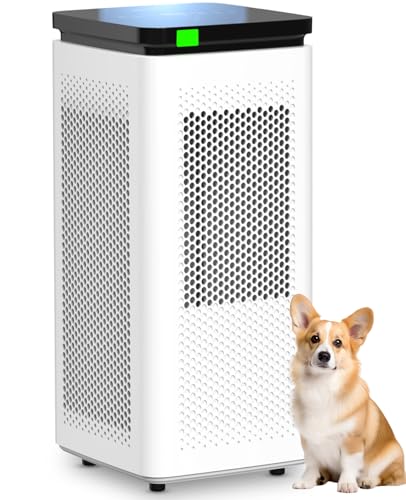
True HEPA room air purifier with a minimum smoke CADR of 150 and at least one pound of granular activated carbon
Provides sufficient clean air turnover for rooms up to 225 square feet while adsorbing volatile organic compounds from smoke plumes

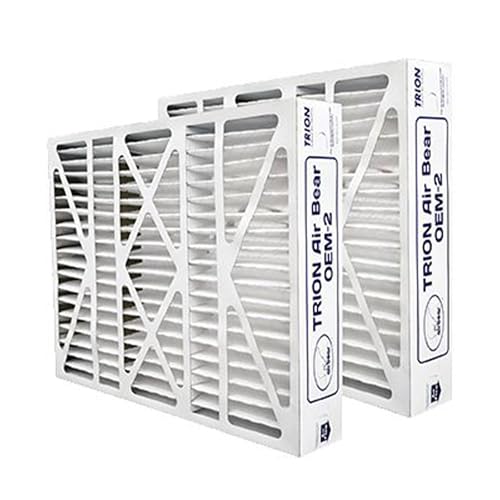
Deep-pleated MERV 13 replacement furnace filter sized for low static pressure drop
Captures more than half of sub-micron combustion particles across the entire duct system without overworking standard blower motors

High-capacity air purifier with certified smoke CADR exceeding 300 and heavy pelletized carbon canister
Delivers rapid particle clearance in open floor plans where exterior door use constantly introduces fresh outdoor smoke


Prices are not shown here because they change daily and we will not display a stale one. Links open on Amazon, where the current price and availability are live.
Common questions
Does running an air conditioner bring wildfire smoke into the house?
Standard central air conditioners and split ductless heat pumps do not pull outside air into your house. They circulate refrigerant through closed copper lines to cool the air already inside your living spaces. Only window units or systems with open outdoor fresh-air dampers pull exterior smoke indoors.
Can a DIY box fan filter clear wildfire smoke safely?
A standard 20-inch box fan taped to a MERV 13 furnace filter effectively traps fine smoke particles during acute emergencies. National Institute of Standards and Technology (NIST) testing demonstrated that box fan assemblies deliver clean air delivery rates comparable to entry-level commercial purifiers. Ensure your box fan motor carries a UL or Intertek safety rating to prevent motor overheating.
How often should you replace filters during a wildfire event?
Check your filters every two to three weeks when heavy smoke persists in your region. The EPA notes that particulate loading accelerates dramatically during combustion events, darkening white filter media quickly. Replace your filter immediately if you notice reduced airflow, visible soot deposits, or lingering smoke odors passing through the exhaust.
Will an ozone generator remove smoke odors from indoor air?
Do not run an ozone generator in an occupied home. The EPA cautions that ozone is a severe lung irritant that reacts with airborne chemicals to produce additional hazardous byproducts. Rely on activated carbon beds and mechanical HEPA filters to clear smoke odors without introducing dangerous reactive oxidizers into your breathing space.
Why do eyes and throat burn even with windows closed?
Fine particles and reactive combustion gases penetrate standard home envelopes through microscopic cracks. Aldehydes and volatile organic acids carried in wildfire smoke irritate mucosal membranes even at low concentrations. Sealing exterior gaps and running granular carbon filtration removes these volatile chemicals before they trigger airway inflammation.