A water softener removes dissolved minerals, while a water filter eliminates chemical and biological contaminants. These appliances solve entirely different household problems. Understanding the operational differences in a water softener vs filter setup prevents costly misdiagnoses of your home water supply.
Hard water damages plumbing fixtures, ruins water heaters, and leaves persistent chalky rings on bathroom tile. Chemical contaminants cause physiological harm, ruin water taste, and create harsh chemical odors. Neither system performs the work of the other. A filter will not prevent mineral scale from cementing inside hot water pipes. A softener will not protect your household from toxic chemical runoff.
Choosing the correct appliance requires matching the technology to your water test results. Both systems use distinct physical mechanisms. Each addresses a specific category of water trouble.
Ion Exchange Replaces Dissolved Hardness Minerals With Sodium
Ion exchange water softeners capture dissolved calcium and magnesium ions and replace them with sodium or potassium ions. Hard water forms when groundwater dissolves subterranean limestone and sedimentary rock layers. The United States Geological Survey (USGS) categorizes water containing 61 to 120 milligrams per liter of calcium carbonate as moderately hard, with concentrations above 180 milligrams per liter classified as very hard.
Inside the primary mineral tank, thousands of microscopic polystyrene resin beads maintain a negative electrical charge. These beads hold loosely bonded sodium ions. Positively charged calcium and magnesium ions displace the sodium as water passes through the resin bed. The hard minerals attach firmly to the resin. Displaced sodium ions enter the outbound water stream to maintain chemical balance.
The resin beads eventually become saturated. At that point, a concentrated brine solution washes through the mineral tank to regenerate the media. This heavy brine rinse forces trapped calcium off the resin. The system flushes the freed minerals out through a dedicated drain line. The resin resets for the next softening cycle. It alters nothing else in the water stream.
Dissolved pesticides, chlorine, industrial solvents, and pathogenic microbes pass through the resin bed without resistance. You can read more about calcite formation and pipe calcification in our guide to hard water diagnostics. If your primary concern is mineral crusting on appliances, an ion exchange system addresses that specific problem. Consult our overview on who needs a water softener before deciding whether to install one.
Filtration Systems Trap Chemical and Biological Contaminants
Water filtration systems extract suspended particulates, hazardous chemicals, and organic pathogens through mechanical interception or porous chemical adsorption. Filters target health hazards rather than plumbing wear. Activated carbon blocks use microscopic fissures to capture volatile organic compounds, industrial residues, and chlorine. The contaminants adhere directly to the carbon surface through physical attraction.
Under standard NSF/ANSI 42 published by NSF International (NSF) and the American National Standards Institute (ANSI), certified filters must prove verified reduction of aesthetic impurities like chlorine odor. Standard NSF/ANSI 53 from NSF International covers filters designed to remove specific health-related contaminants, including lead, mercury, and parasitic cysts. Sediment filters use pleated polymer fabric or spun polypropylene fibers to sieve dirt, sand, and rust flakes.
None of these filter mechanisms extract dissolved mineral ions. Dissolved calcium ions are far smaller than the microscopic pores of a carbon block. They pass through fine carbon media without adhering to the pore surfaces. A filtration system improves the safety and flavor of drinking water. It leaves mineral hardness completely unchanged.
You can review dedicated kitchen point-of-use options in our guide to selecting an under-sink water filter for drinking lines. For comprehensive household protection against chemical pollutants, read our detailed evaluation of whole house water filter capabilities.
Comparing Water Softener vs Filter Technologies and Outcomes
The fundamental operational difference between a water softener and a water filter is whether the system trades dissolved minerals or traps toxic contaminants. Homeowners often conflate the two units because both appliances connect directly to incoming water pipes. Their internal media and treatment goals remain entirely separate. The following comparison outlines how each technology functions across common domestic water scenarios.
| Criteria | Water Softener | Water Filter |
|---|---|---|
| Core Objective | Replaces dissolved scale-forming minerals | Captures chemicals, pathogens, and sediment |
| Primary Mechanism | Cation exchange using sodium-charged resin | Adsorption, mechanical sieving, or membranes |
| Target Substances | Dissolved calcium, magnesium, and ferrous iron | Chlorine, lead, PFAS, pesticides, and cysts |
| Plumbing Protection | High protection against appliance and pipe scale | Negligible protection against mineral scale |
| Drinking Safety | Provides zero reduction of toxic chemicals | Reduces health-threatening contaminants |
| System Maintenance | Regular salt replenishment and brine flushing | Periodic filter cartridge replacement cycles |
| Primary Location | Whole-house point of entry | Point of entry or point of use |
A water softener defends high-value plumbing fixtures, hot water storage tanks, and internal heating coils. It provides no biological or toxicological filtration. A water filter purifies water for human consumption and prevents chemical exposure. It leaves water heaters exposed to calcite accumulation if hard minerals remain in the supply.
Plumbing Scale Protection Differs From Ingestion Safety
Dissolved mineral scale destroys mechanical plumbing infrastructure through internal calcification, while chemical contaminants produce direct physiological injury when ingested. Hard water acts as an abrasive mechanical nuisance. When water temperatures rise inside a heater, dissolved calcium carbonate precipitates onto hot surfaces. The United States Department of Energy (DOE) reports that scale accumulation inside water heating systems can decrease operating efficiency by more than ten percent.
Scale insulates heating elements from the surrounding water. Water heaters fail years ahead of schedule when scale blankets their internal components. Showerheads clog with white crust. Soap curd deposits onto skin, causing dryness and irritation. Yet dissolved calcium and magnesium present zero toxicity to the human body. The World Health Organization notes that drinking water containing dissolved minerals contributes beneficially to daily dietary intake of essential nutrients.
Chemical contaminants present the reverse dynamic. Toxic heavy metals and synthetic chemicals cause zero damage to copper plumbing pipes or water heaters. Instead, they cause severe neurological, hepatic, and reproductive damage to human organ systems. The Environmental Protection Agency (EPA) establishes an enforceable action level for lead in public drinking water at 15 parts per billion.
Under standard NSF/ANSI 53 guidelines published by NSF International, certified filters must demonstrate reduction of lead below 5 parts per billion. You can read our analysis of certified removal methods in our report on lead in water filtration.
Standard Filter Media Clog Quickly Under Heavy Mineral Loads
Relying on standard mechanical or carbon filters to manage hard water causes premature cartridge clogging and leaves scale formation completely unaddressed. Many consumers purchase a whole-house sediment or carbon system expecting it to eliminate mineral spots on glassware. That outcome never materializes. Dissolved minerals pass straight through carbon pores.
When mineral levels are exceptionally high, calcium crystals precipitate directly across the outer surface of fine filter cartridges. This surface blinding chokes incoming water pressure within weeks. Cartridges designed to last six months become blocked almost immediately. You discard expensive media without solving the hard water scale problem.
We detail this exact mechanical failure in our guide explaining why a filter alone will not fix hard water without dedicated softening. The inverse mistake carries even greater danger. Homeowners who install only a water softener often assume their drinking water is completely purified. The water feels slippery. Soaps and shampoos foam into a rich lather with minimal effort.
However, every dissolved pesticide, industrial solvent, and microplastic particle remains in the glass. Assuming a softener filters water exposes your family to unmitigated chemical risks.
Physical Conditioners Alter Crystal Structure Without Removing Minerals
Salt-free water conditioners use catalytic physical media to alter mineral crystal structure rather than extracting calcium ions through chemical exchange. These systems rely primarily on Template-Assisted Crystallization (TAC) media. When dissolved calcium and magnesium pass across TAC polymer beads, microscopic nucleation sites convert the dissolved ions into inert microscopic calcite crystals. These crystals remain suspended in the water flow.
They resist sticking to hot plumbing walls or heating elements. Because the minerals remain in the water, a conditioner does not alter total mineral content. The United States Geological Survey (USGS) notes that true water softening requires the physical removal of hardness ions. A salt-free conditioner functions as a scale inhibitor instead of a true water softener.
If you test conditioned water with a hardness kit, the reading shows the exact same mineral level as untreated water. Standing water on shower doors still leaves chalky spots when the liquid evaporates. The minerals were never extracted. Conditioners work well for mild scale mitigation in closed plumbing loops. They fail to deliver the soft water benefits that homeowners expect for laundry and soap lathering.
Sequential Installation Protects Downstream Membranes and Media
Homes requiring both scale reduction and drinking water purification must install their treatment components in a strict sequential order to prevent premature hardware destruction. The treatment train must begin at the primary point of entry. First, incoming water enters a coarse sediment pre-filter. This unit traps large rust flakes, sand, and pipe scale before they reach motorized control valves.
Second, water enters the salt-based ion exchange softener. Extracting calcium and magnesium at this stage prevents mineral precipitation throughout the household plumbing lines. Third, a whole-house activated carbon filter can follow the softener to extract chlorine and organic chemicals from the entire supply. Alternatively, point-of-use purification installs beneath the kitchen sink.
Reverse Osmosis (RO) represents the premier standard for point-of-use drinking water filtration. Under standard NSF/ANSI 58 published by NSF International, certified reverse osmosis systems must reduce Total Dissolved Solids (TDS), nitrates, and heavy metals. Placing the reverse osmosis unit after the water softener is an operational necessity. Hard calcium scales membranes rapidly. Softened water extends the operating life of a reverse osmosis membrane by years. The membrane easily extracts the residual sodium ions added during the softening process. Explore this pairing further in our complete review of reverse osmosis system advantages and maintenance trade-offs.
Laboratory Water Diagnostics Prevent Expensive Equipment Mistakes
A certified laboratory water analysis provides the verified chemical metrics required to determine whether your home requires a softener, a filter, or a combined system. Purchasing water equipment without an assay is an expensive gamble. Municipal utility customers can start by reviewing their annual Consumer Confidence Report (CCR). Under EPA regulations, municipal water providers must report detected contaminants and average mineral levels every year.
Private well systems require comprehensive independent laboratory testing. Wells receive zero regulatory monitoring. You can find testing protocols in our comprehensive guide on choosing a water test kit for home evaluation.
Low hardness requires no softener. If your laboratory report indicates hardness below 60 milligrams per liter, an ion exchange system provides no practical benefit. A carbon filter will handle chlorine taste and organic chemical concerns directly. Severe hardness without contamination demands a softener alone. Should testing reveal lead concentrations above the EPA action level of 15 parts per billion, certified drinking water filtration becomes mandatory regardless of hardness. Review your municipal water quality report or run a certified laboratory assay to determine whether your home requires a water softener vs filter.
What to Buy for This
Each entry below is a specification rather than a single model, because stock and pricing on this equipment change constantly. The products shown are what currently matches that specification. Match the spec, then buy whatever meets it.
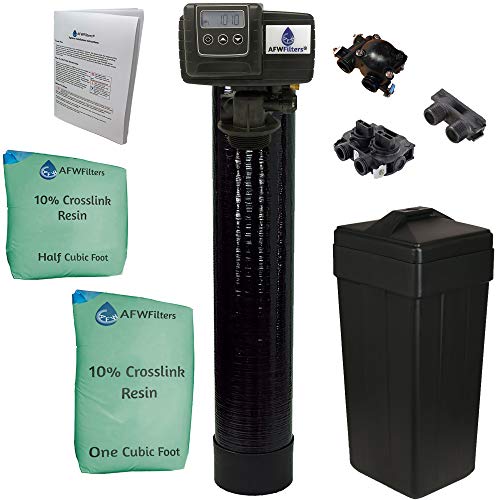
Whole-house salt-based ion exchange water softener with metered digital regeneration valve
Removes dissolved calcium and magnesium ions across the entire plumbing system using demand-initiated regeneration to minimize salt and water consumption.

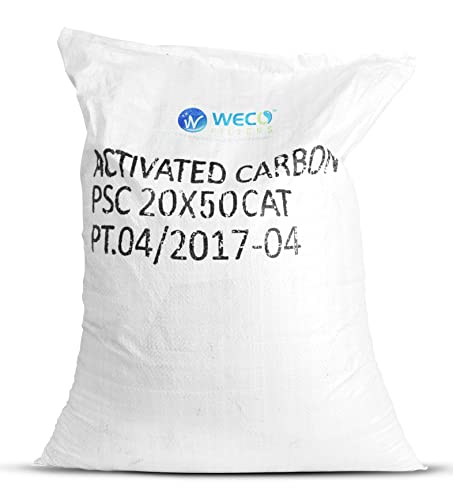
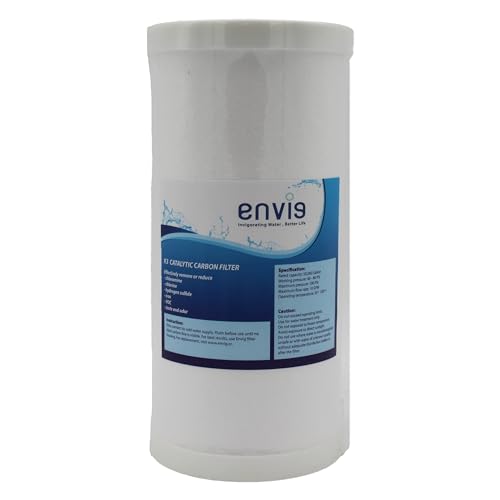
Point-of-entry backwashing catalytic carbon media tank
Extracts chlorine, chloramines, and volatile organic compounds from all household taps without the pressure drops associated with small cartridge housings.
Multi-stage under-sink reverse osmosis filtration system with remineralization stage and NSF/ANSI 58 certified membrane
Filters heavy metals, PFAS, microplastics, and dissolved salts at the kitchen faucet where water is consumed directly.
 iSpring RCC7AK-BN NSF Certified, 75 GPD, Alkaline 6-Stage Reverse Osmosis System, pH+ Remineralization RO Water Filter System Under Sink Patented Top-Mounted Faucet Design for Easy InstallationiSpring
 iSpring RCC7-BN NSF Certified, High Capacity Under Sink 5-Stage Reverse Osmosis Water Filter, RO Drinking System, 75 GPD Brushed Nickel Faucet, Patented Top-Mounted Faucet Design for Easy InstallationiSpring
Prices are not shown here because they change daily and we will not display a stale one. Links open on Amazon, where the current price and availability are live.
Common questions
Does a water softener make tap water safe to drink?
A water softener does not purify tap water or make contaminated water safe for drinking. Softening systems only replace dissolved calcium and magnesium with sodium or potassium through ion exchange. Dangerous contaminants like lead, pesticides, chlorine byproducts, and industrial chemicals pass through the resin bed unaffected. Homes with contaminated water require certified carbon filtration or reverse osmosis systems to protect human health.
Can a whole-house water filter remove hard water scale?
A standard whole-house water filter cannot remove hard water minerals or stop scale from developing inside plumbing. Conventional sediment and carbon filters capture suspended particles and chemical compounds, but dissolved calcium and magnesium ions pass directly through their pores. Removing mineral hardness requires an ion exchange water softener or specialized template-assisted crystallization media designed specifically for scale reduction.
Do water softeners add significant amounts of sodium to drinking water?
Water softeners add a modest amount of sodium to household water in direct proportion to the original mineral hardness. According to the Centers for Disease Control and Prevention (CDC), softening water with moderate hardness typically adds between 20 and 30 milligrams of sodium per eight-ounce glass. Individuals on medically supervised, severe low-sodium diets should install an unsoftened cold line or a reverse osmosis system at the kitchen tap to eliminate this added sodium.
Is it safe to install a reverse osmosis system after a water softener?
Installing a reverse osmosis system downstream of a water softener is safe and highly recommended by equipment manufacturers. Pre-softened water protects delicate reverse osmosis membranes from premature fouling caused by calcium and magnesium carbonate scaling. The reverse osmosis membrane then removes the residual sodium ions added by the softener, providing exceptionally pure drinking water at the kitchen tap.
How can I tell whether my home needs a water softener or a water filter?
Your visible symptoms and water test results determine whether you need a softener, a filter, or both systems. Mineral deposits on faucets, stiff laundry, and reduced water heater efficiency point directly to a hard water problem that requires a softener. Disagreeable chlorine odors, metallic taste, discolored liquid, or verified chemical pollutants require dedicated water filtration. Testing your water with a certified laboratory confirms your exact mineral grain count and contaminant levels.